
New Year, New Challenge? Become a Foster Carer in 2026
Date published
08 January 2026
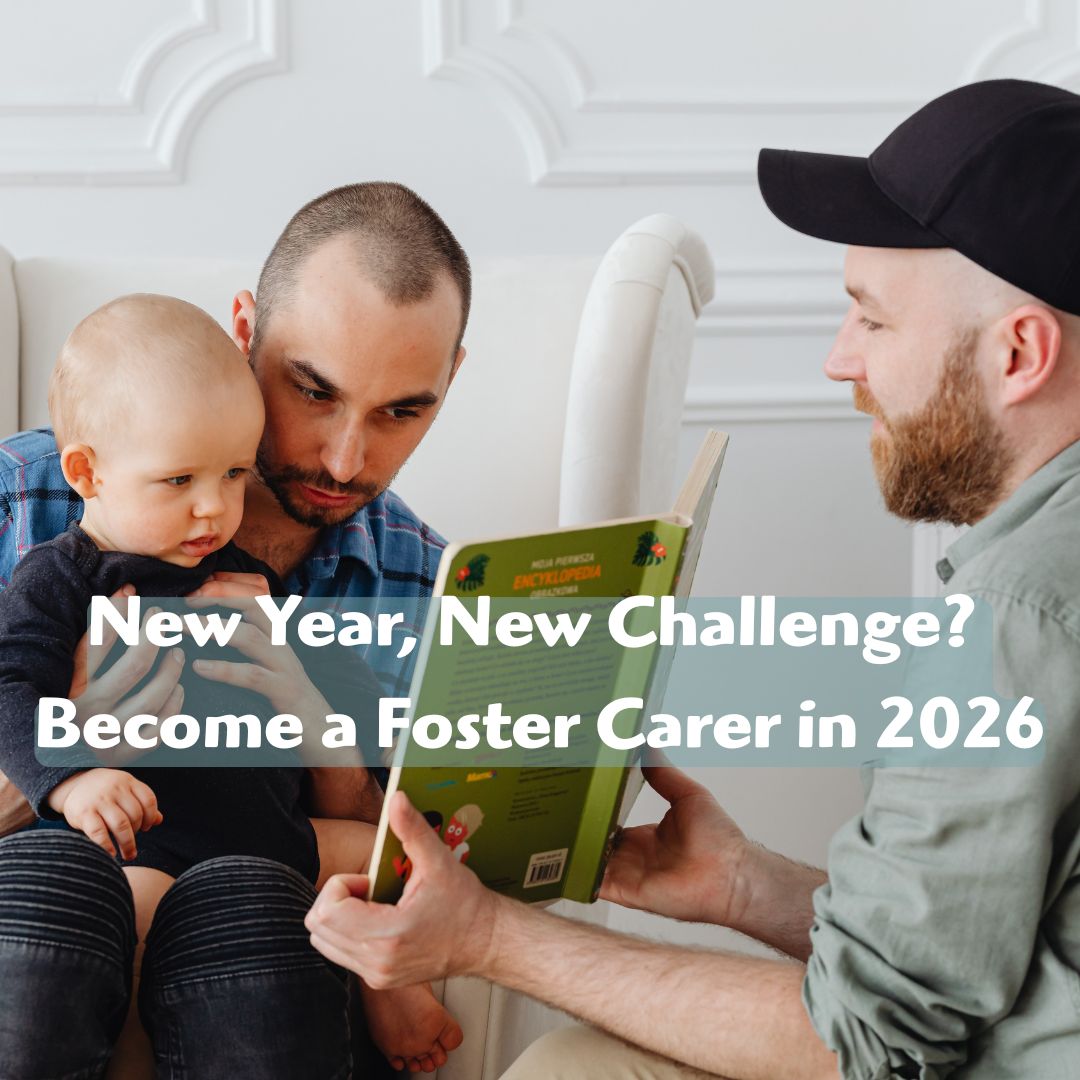
Happy New Year from Olive Branch Fostering!
As 2026 kicks off, many of us will be making our New Year’s Resolutions and plans for the year ahead.
Whether you’re seeking a new challenge, ready for a career change, or you’re looking for ways to add more meaning and purpose for your life, now’s a great time to consider becoming a foster carer in 2026.
There are lots of reasons why people decide to foster. For some, it may be that they have children of their own, and want to put their parenting skills to use helping other children to thrive. Other carers come to fostering after trying to start a family, and realising they have space in their heart and their home to nurture a foster child.
Many carers come to fostering during retirement or after their grown-up children leave home. While, for some, fostering can be a career change from education or health care.
One thing all foster carers have in common is that they want to make a difference, and are ready to take on the challenge of helping a child to meet their potential.
The latest figures show that in England alone there are 81,770 looked after children, with one child coming into care every 20 minutes on average in the UK. These children all need safe, stable, loving homes, and now, more than ever, foster carers are in high demand.
Data from Ofsted shows that fostering households in England have declined in recent years, with a 10% drop in the number of foster carers since 2021. There are multiple reasons for this, including foster carers retiring, or lack of adequate support for some carers.
However, the government has pledged to remedy this, by addressing the urgent need for more carers with a comprehensive package of reform, including accelerated recruitment of new carers and more support for existing carers.
So if fostering is something you’ve been thinking about for a while, why not make 2026 the year you take action?

If you’re considering becoming a foster carer, you’ll understandably want to know how it all works. The first thing to be aware of is that there are lots of different types of fostering. However, no matter which type of fostering you’re interested in, you’ll first need to be approved as a foster carer.
The fostering approval process in the UK can be broken down into clear stages.
The first step to becoming a foster carer is to make an initial enquiry with the agency you hope to foster with. This might be an independent fostering agency, or your local authority. If you’re not sure which fostering agency to go with, our blog on what to consider when choosing a fostering agency, might help you decide.
After a chat about your circumstances and motivations for fostering, a social worker will then visit you in your home. This helps the agency get to know you better, and gives you the opportunity to ask any questions you might have about fostering. After this initial home visit, if you still want to go ahead, you can put in a formal application to foster.
After applying to become a foster carer, the agency or local authority you’ve applied to will run a series of background checks, such as a criminal record check, and references, and you’ll undergo a fostering medical to ensure that you’re fit to foster.
Once your initial checks are complete, you’ll start your in-depth foster carer assessment. A social worker will be assigned to you and will visit you at home weekly over the course of several weeks. During this time, they’ll get to know you, and everyone living in your home better, find out more about your personal background and discover what knowledge and skills you’ll be bringing to your fostering career. You’ll also attend a two-day training course called ‘Skills to Foster’.
Your social worker then compiles a report, known as Form F, based on everything you’ve discussed during the assessment process. Once you - and they - are happy with the report, it will be taken to an independent fostering panel of experts. They will then make a recommendation to the agency decision maker about whether or not you’re suitable to foster.
If you’re approved to foster, you’ll be matched with a supervising social worker, and you’ll be ready to welcome your first foster child!

Lots of people can foster! The basic requirements to foster in the UK are that you need to be:
21 or over
A permanent UK resident
In good physical and mental health
You will also need to have a spare bedroom in your home that is safe, clean and suitable for a foster child.
Find out more about who can foster here, or check out the Olive Branch blog, which is packed with helpful information and insights about fostering.
Something people often want to know is how long the fostering process will take. Unfortunately, there’s no one definitive answer to this, as it can depend on a variety of factors, such as how long your initial checks take to complete. However, you should expect it to take at least 3 months and no longer than 8 months, with it typically taking about 6 months on average.
That means that if you apply now, by the end of the year, you could have your first foster child living with you!

Here at Olive Branch we’d like to wish everyone a very Happy New Year, and if exploring fostering is on your list of New Year’s resolutions, we’d love to hear from you!
You can enquire online, give us a call on 01706 558910, or book a call back with one of our friendly fostering advisors for a time that suits you. We’re also looking forward to meeting new potential carers at our events throughout the year.
Make 2026 the year you do something great!
News
08 January 2026